The BioHub – How Physical Spaces Catalyze Bioregional Regeneration [#41]
What we are planning in Biorregion Cantábrica

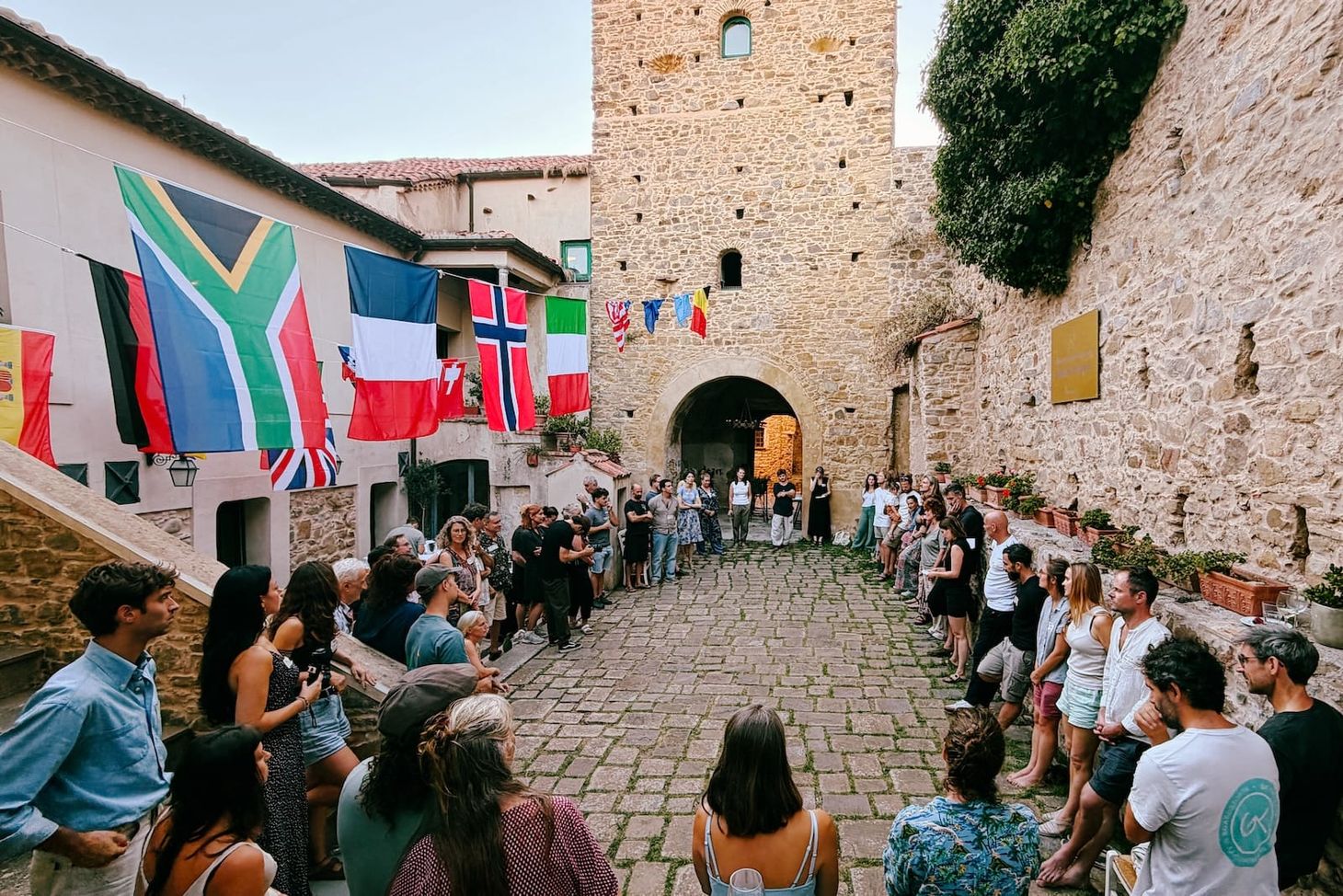
Table of Contents
In the castle of Pollica, one room has a whole wall full of pictures of the local people living there. Each person gets a "special" name for what their role is in the community.
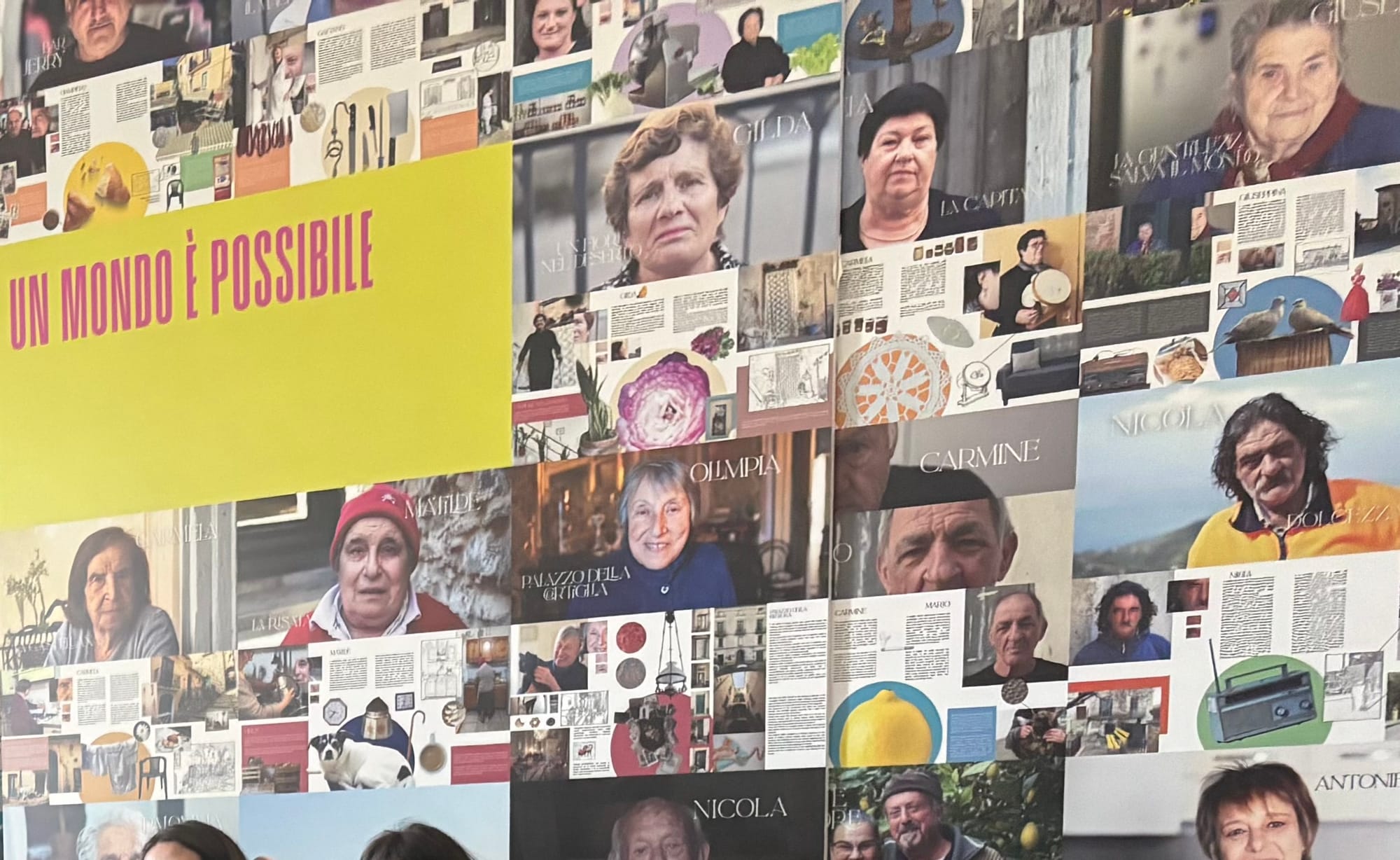
Pollica is a village in Cilento, in the south of Italy, in an area that's becoming depopulated. Young people are leaving and inspiration is scarce. Think about what a wall like that does for the people who stay.
I spent 10 days there while hosting the Bioregional Weaving Labs cohort program, and without knowing it, I was living in a case study.
I was due to read BioHubs: A Pathway to Regional Resilience for a few weeks already, but I didn't take the time for it. It's a paper from May 2026 and it found that one thing that catalyzes bioregional regeneration is a BioHub, a physical place that anchors the work in a region. After living in Pollica for that time, the paper hit differently.
It makes sense. You really need a place to meet when your goal is to get people across a whole region working together. And the place can do more than just host meetings. In Pollica, the castle always has an exhibition of the work that people around there have done, work that makes them proud.
I think a challenge in weaving work (connecting people and projects across a region) is that it's a lot about talking, and often you don't see the direct impact. But if you can show the work that has been done and put it on the walls of the hub, this can create trust and understanding for the work.
What a BioHub is
The paper finds that a BioHub has 3 features: It's a physical site that anchors the work in a region: a farm, a community house, or in the case of Pollica, a castle. It connects several domains, like food, land, water, learning and money, sometimes even hospitality.
And it looks outwards to the region around it, and that's the one I think is crucial. One of the problems of many eco-villages in the '70s was that they looked inwards at themselves, and not at how they could serve the bioregion around them. It was about escaping society and separating from it. That's the opposite of how I see regenerative villages today.
The paper explored 152 initiatives in 44 countries and did more than 30 interviews. Nearly a third of these hubs started before 2000.
Pollica, the hub I lived in
Pollica and the hub are very special because people who visit sleep in the houses of the local people. The houses are spread all across the town, meaning you really live in the community.
The hub was founded by the Future Food Institute (founded by Sara Roversi), and it's a public-private partnership with the municipality. It uses food as the entry point and widens out into culture, ecology and the local economy. It also holds the UNESCO secretariat for Mediterranean Diet Communities.
According to the paper, it was 5 years of bootstrapping before results showed. The team called the early funding phase "a nightmare". Today the campus runs on its own revenue from retreats, tourism and events.
The place really is perfect for groups. You have different rooms where you can host workshops, and the courtyard is just magical. While we were there, the hub team organized a food theater in it at night: we learned about the region through food, listening to a story about the region and its people with each course of the menu.
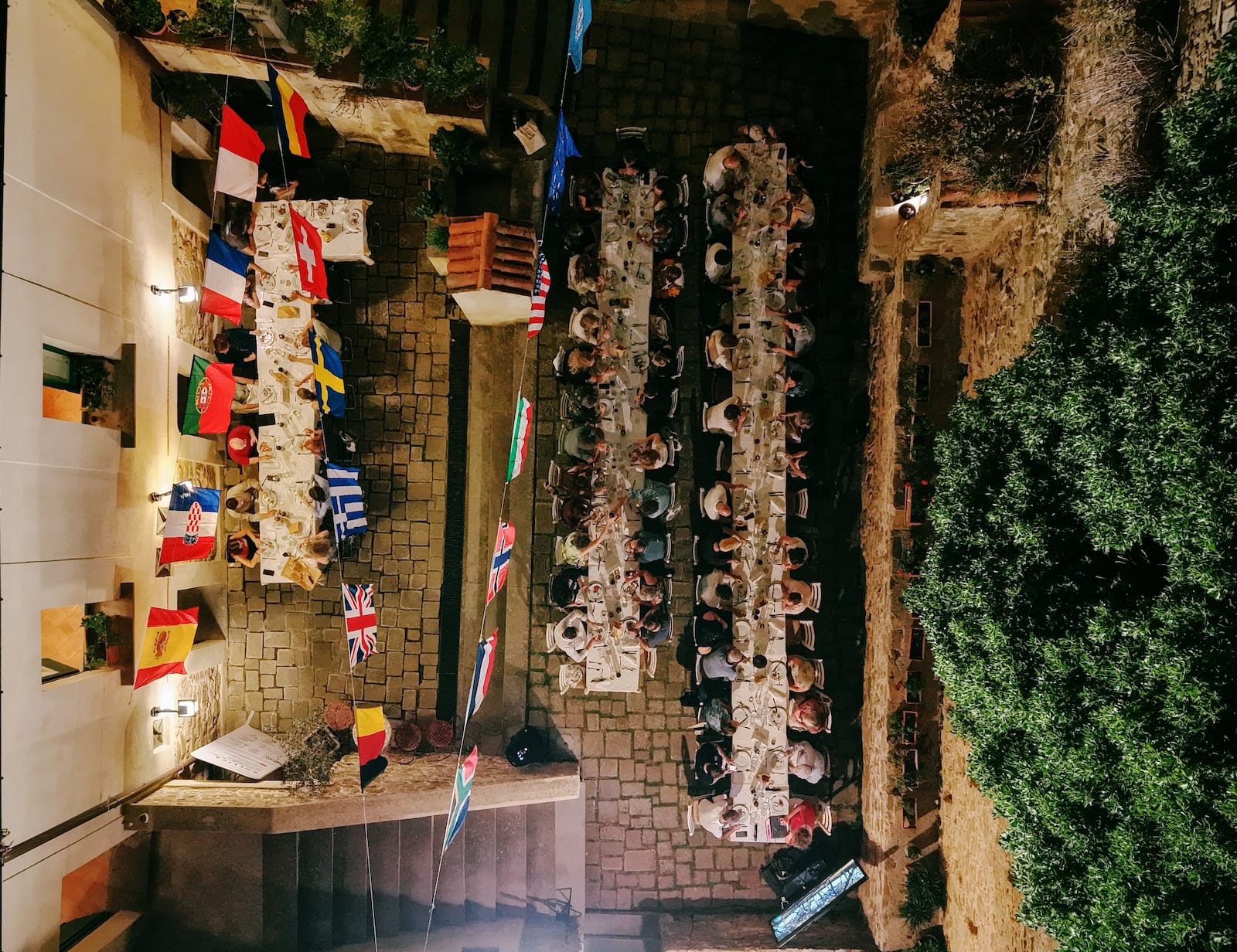
The locals are invited to just come by also when international visitors come. They're happy to talk in Italian with you and have a coffee, even though it's hard to understand each other :D
What the successful hubs have in common
First of all, they really commit for the long term. Usually there's a 5-year threshold before anything becomes visible. I hope that with the learning from this paper and case studies like these, this can get shorter, so you can have impact before those 5 years.
Founders absorb the early risk. While this might be heroic, I think it shouldn't be that way. I'm thinking bioregional hubs should be financed with a crowdfunding through the community and then given to a foundation to secure them for the long term. This is the strategy I'm choosing for the hub in our bioregion.
Trust comes from slow, deep listening. Most projects fail when they come from the outside.
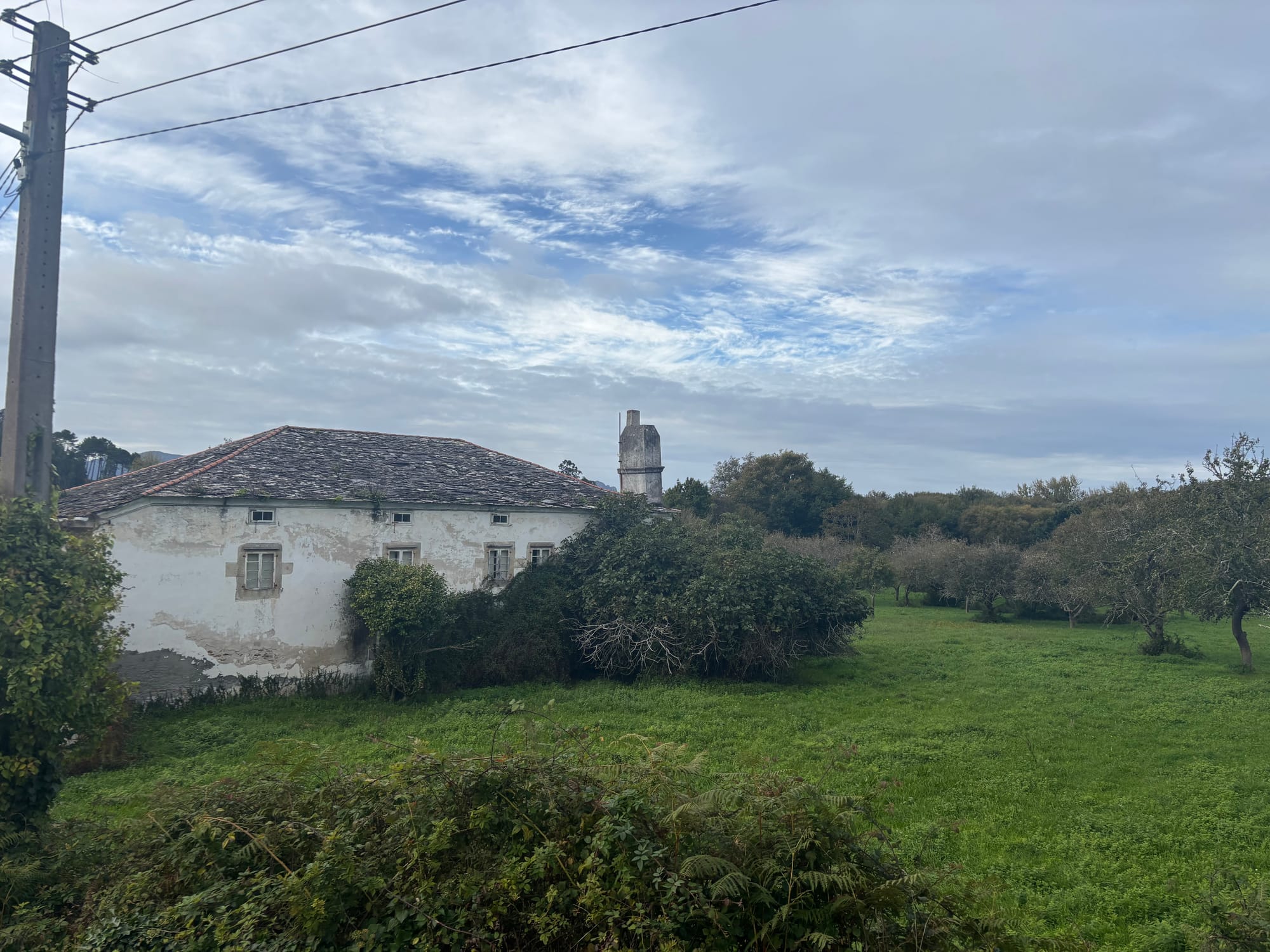
I'm looking at a property here in the Biorrexión Cantábrica, the bioregion along the Cantabrian coast where I live, that's perfect for a hub and actually for sale right now. So I started talking to the neighbours to find out who the seller is. One neighbour I already knew proposed to do a reunion with all the neighbours about the project.
It really woke me up, because I was so in my head, thinking about what should go into that place and how to finance it. Of course you should shape this together with the neighbours, so they feel part of it as well and it becomes a hub for the broader community.
Successful hubs usually start with one entry point, like food in Pollica. I already know this is going to be challenging for me, because I see so many things in the hub: offices for local initiatives, a little kindergarten, a syntropic agroforestry system outside (a food forest planted densely in layers), and then maybe some rooms for co-living as well. I guess I still need to work on the story of this. But I do think food is our key entry point too, because we want a community kitchen where local producers can process their food and where the communal lunches and dinners are cooked.
Then cultural identity holds things together. Yes, I think culture is the glue. Having a cultural space is key for bioregional hubs, I think. I'm envisioning a place where you can have movie nights, dance classes or improv theater. Or anything else someone form the community wants to host.
Where hubs break
The biggest one is governance. Either governance fatigue (meaning you have endless meetings and no clarity), or an inner circle that's deciding without transparency, or a founder who stays too dominant. With my experience in the ecovillage, which also wants to be a hub for its region, I can back up all of these.
How do you balance running a business while also listening to the feedback of the community around the hub? How do you make decisions with 10 different initiatives and local producers? Luckily we now have the Governance Canvas by Tijn and Ernestine, which helps with this a lot. Govenance is an ongoing practice.
Then there's the heroism filter, meaning the hubs get built by people who can survive years of financial precarity, which makes the field narrow and fragile. I think this needs to change. I saw it in the ecovillage I left, and I can see it happening in any hub you build up while you don't have any revenue: the founders burn out. It really needs to be community-built.
Money is the most-cited obstacle. I hope that with these case studies, the next hubs will be easier to build. The place I'm looking at costs around €270,000. Considering how many people this hub can impact, I think you can find 270 people who give €1,000 each, especially with the network we have in the region and Europe-wide. But I might be biased.
Legal forms don't fit hybrid projects. I think here you have to think in several legal structures that each do one job. The way I'm envisioning it is that you have a foundation (or a land trust) that holds the land and the property. Then you have a company that stewards the place. Depending on the business model, this could be a for-profit company or a nonprofit association, and it also depends on the legal structures available in your country.
In my case, I'd do a for-profit company that rents out the offices and rooms to local initiatives, and a cultural association that runs the cultural program. This way the company can donate profits to the association or to the foundation.
So is the hub a cause of a strong bioregion, or the result of one that already has people and money?
I'd say people come first. Obviously it helps when you have money, and a great hub surely attracts people to come to the region. But I think the main success factor is people, and a strong small community can give rise to an equally strong BioHub.
Try this
Map your the places around where you live. Where do people already meet? Which space could become a hub without a new building?
I think these hubs can be in cities as well. There is the concept of "third places" (somewhere that's neither home nor work) where people meet, exchange ideas and plant something. They're getting more and more rare. We need to cherish them and support them, so they can support a flourishing community.
What I'm doing next
I feel so inspired by the concept that I want to start a BioHub here in the region. Together with the community around it.
The neighbours' meeting comes first to sensemake what they think about the idea.
The problem is, the building won't wait, because there are other potential buyers. It's for sale right now, for €270,000.
So do you know anyone who might want to front this money until we run a crowdfunding campaign to buy them out? Just reply to this email. We have a community, a team, a plan, and committed tenants. Here is the exposé.
Sources:
Eva Gladek, Serena Joury, Amy Beilharz, Analise Roland, Nico Branas Michaelsen (2026). BioHubs: A Pathway to Regional Resilience. Metabolic, Anura Capital, Artistree, Basin Collective. biohubs.earth

A Regenerative Life Newsletter
Join the newsletter to receive the latest updates in your inbox.